
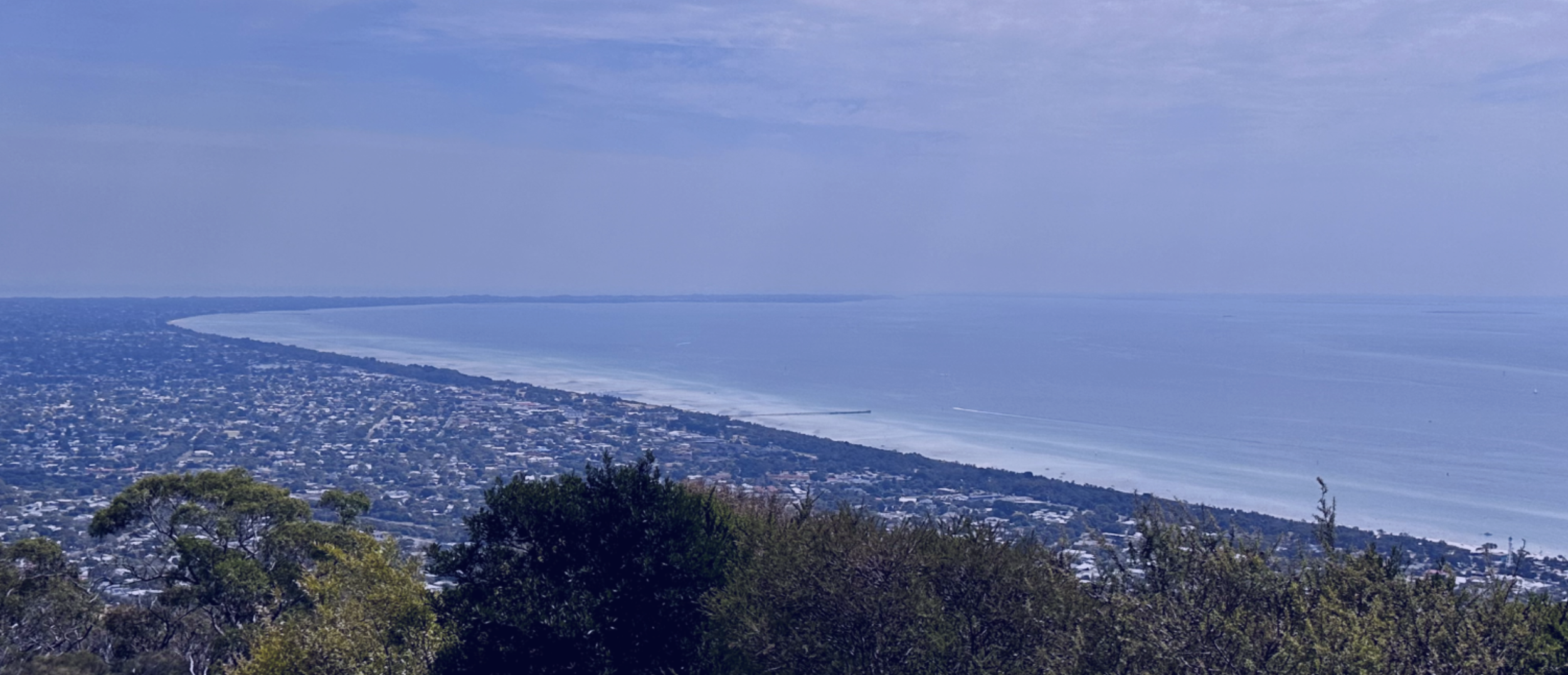
Introducing a living learning ecosystem for future generations
A community-led initiative supporting land, people, and local economies to flourish together on the Mornington Peninsula
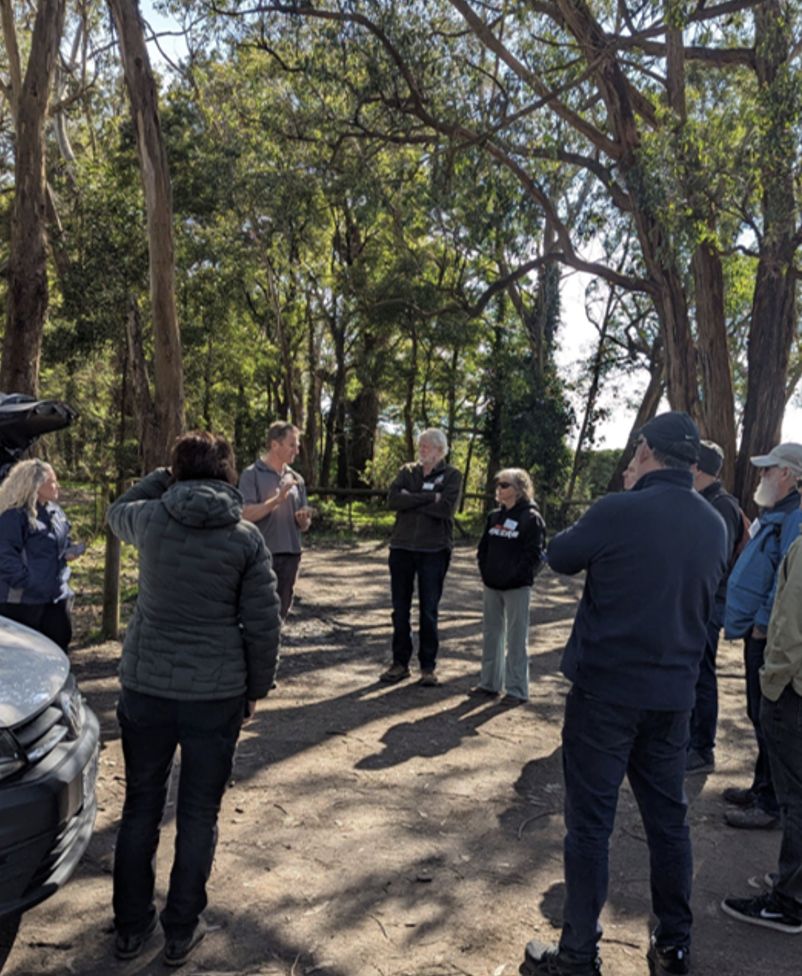
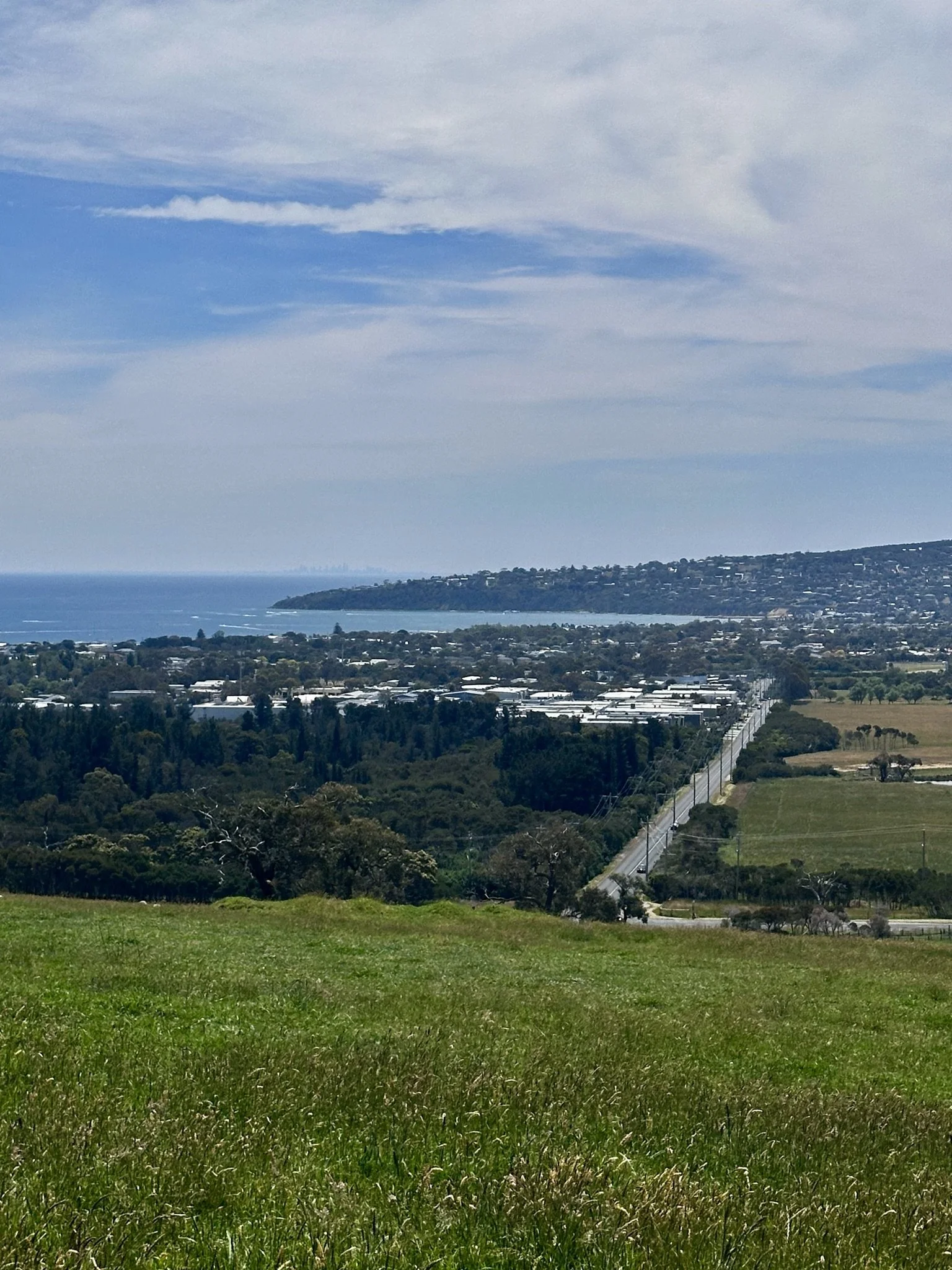
The Mornington Peninsula is facing growing pressure from development, tourism, climate change, housing stress, and strain on land and water systems.
Yet the region has enormous potential: strong communities, rich culture, productive landscapes, skilled organisations, and deep local knowledge.
Regenerating Mornington Peninsula connects people and place to test practical solutions and invest in projects that strengthen the land, community wellbeing, and local economy, now and for future generations.
We work across food, nature, wellbeing, enterprise, culture, and education to build a more resilient Peninsula.
What is Regenerative Practice?
Regenerative practice is a way of living and working that helps life create more life. It begins with place—knowing and caring for the land, waters, people and history around us—and designing for long-term health and resilience.
At its heart, it is a human journey of seeing relationships, taking responsibility for our impact, and shaping homes, businesses and communities as a positive legacy.
Inner growth shapes outer systems. Regenerative practice strengthens ecology, culture, economy and community, moving us from extractive ways of working toward those that are life-giving and resilient.
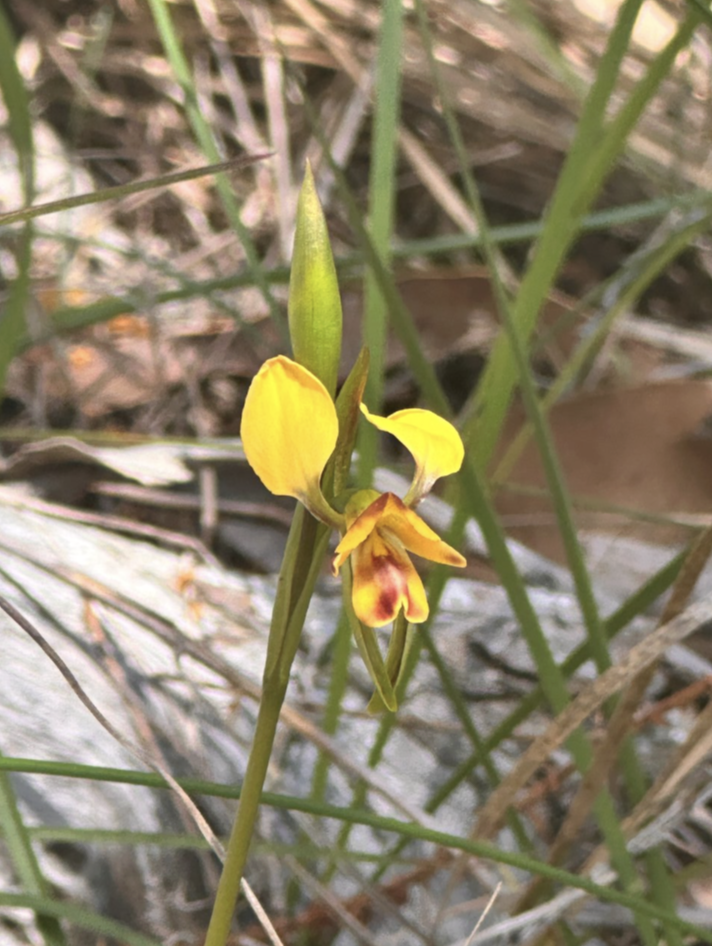
Feature Project: Mapping the Peninsula
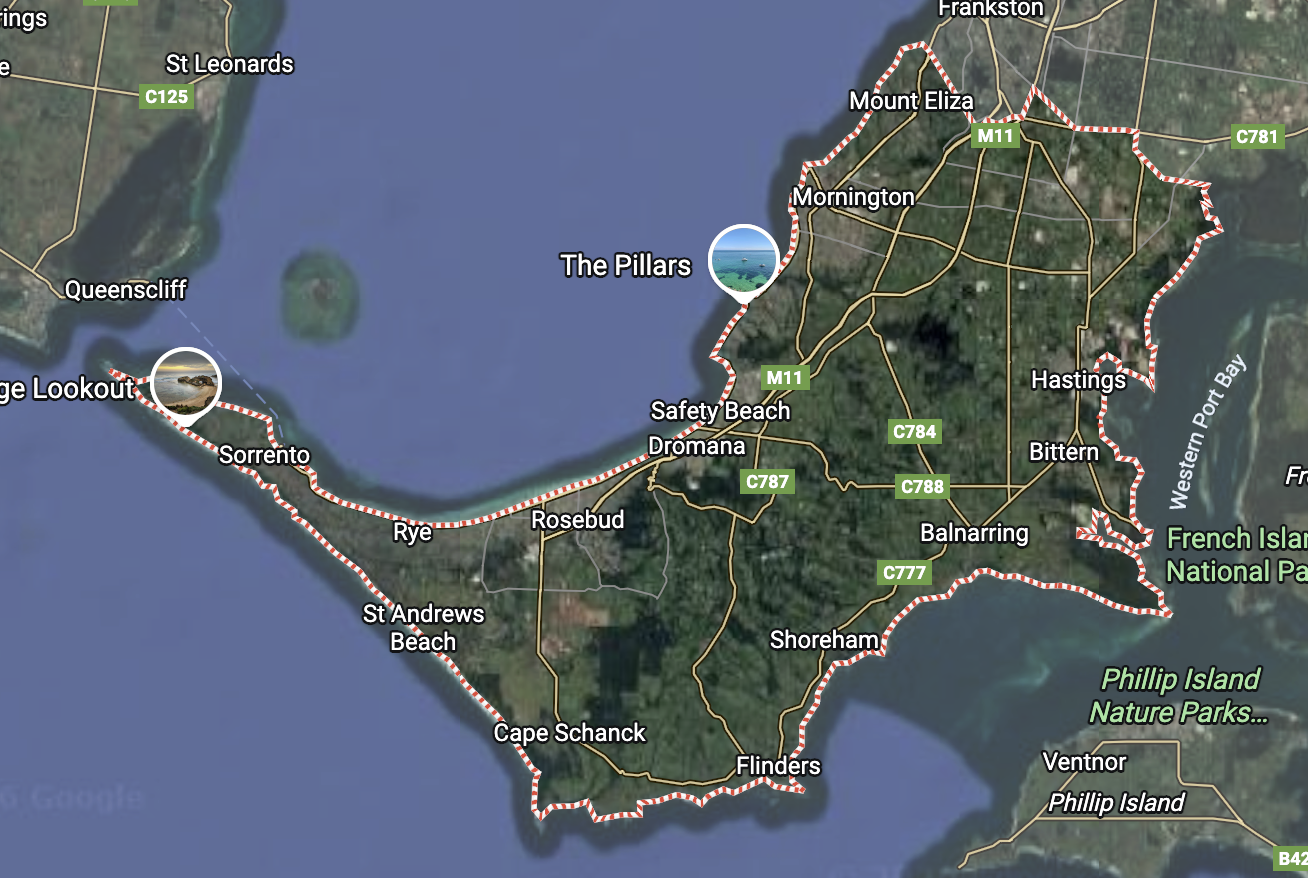
We are developing the Regenerative Peninsula Map, the beginning of a living map for flourishing people, places and living systems.
The map helps make visible the people, projects, businesses, farms, community groups, educators and organisations already contributing to the economic, social and ecological health of the Mornington Peninsula. It will…
Give visibility to who is already contributing across the region
Find connections between people, projects and places
Identify gaps, opportunities and shared learning needs
Support collaboration, funding and long-term action
Read more about it in an article by the Mornington Peninsula News here
Activities & Events
Mornington Peninsula Bioregional Meet-Up
Connecting people contributing to places across the Mornington Peninsula and Frankston
Monday 14 September, 10 am–2 pm, Frankston
A free, participatory gathering for people contributing through local projects, organisations, businesses, social enterprises and everyday stewardship.
What could become possible if our local contributions were better connected?
Bring your place, your contribution and your curiosity. Make useful connections, discover fresh perspectives and explore what could help your contribution and our region go further.
People and Place Walks
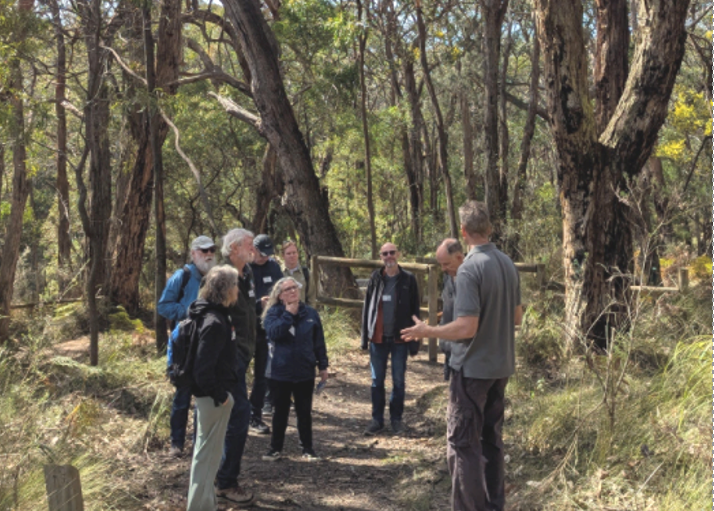
People and place walks are where real bioregional understanding begins. They immerse us directly in the living system—its people, environments, rhythms, and relationships.
By walking the space with those who know it best, you’ll uncover insights that rarely surface elsewhere: how places are actually used, where tensions exist, what’s thriving, and what’s quietly failing. Just as importantly, these walks create shared ownership from the outset, turning stakeholders into active contributors.
In regenerative work, this connection ensures the peninsula is capable of supporting long-term, meaningful change.
Stay tuned for upcoming walks.
Regenerative Immersions
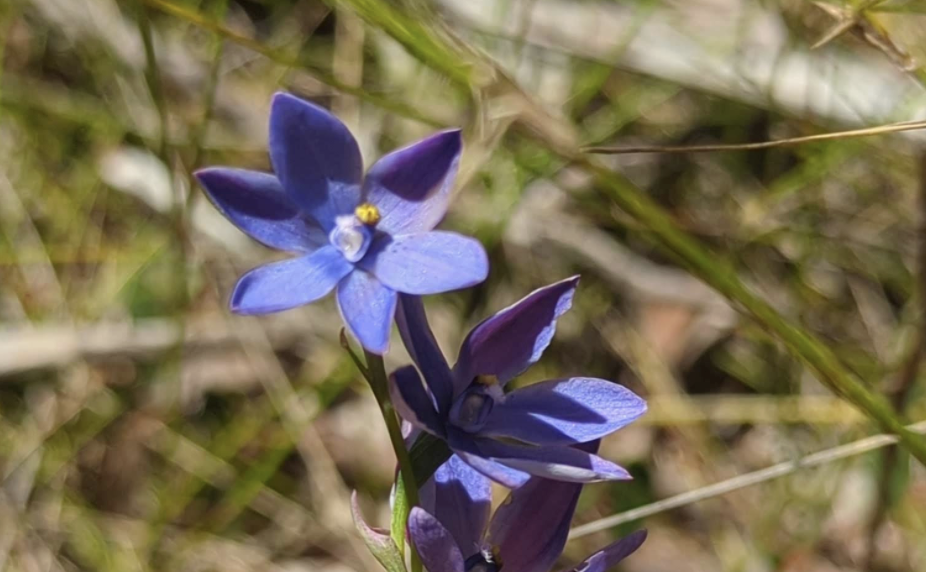
Reconnect with self, each other and place
Hosted on the Mornington Peninsula, these place-sourced learning experiences help teams slow down, think systemically and reconnect with purpose. Through guided reflection, living systems perspectives and meaningful conversations, participants gain fresh insights, stronger connections and practical pathways forward.
Designed for business teams, schools and learning groups seeking deeper connection, new perspectives and long-term value for people, organisations and place.
Partners & Associates


We acknowledge the Bunurong and BoonWurrung People of the Kulin Nation as the Traditional Custodians of the land, waters, and skies of this region. We honour their ongoing connection to Country and recognise that First Nations knowledge continues to guide how care, responsibility, and relationship with place are understood and practised today.